Katy, TX · Harris County
Roof Leak Water Damage Cleanup in Katy, TXWet Contents Protection & Leak Source Identification
Roof Leak Water Damage Cleanup in Katy covers emergency roof tarping, attic water extraction, ceiling water damage cleanup and wet insulation removal.
Answered 24/7
Roof Leak Water Removal in Katy, TX
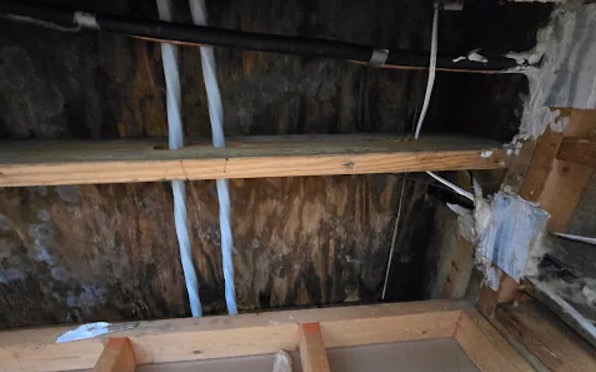
A small roof leak can run for weeks inside an attic before anyone notices. When the stain finally shows, the decking, insulation and drywall may all be wet.
Roof leak water removal is available in Katy and nearby Cinco Ranch, Brookshire and Fulshear. The pros tarp the opening if needed, extract the water and dry the attic framing and ceiling drywall.
Roof Leak Cleanup Services in Katy, TX
Wet Contents Protection
Belongings stored in the attic or sitting under a dripping ceiling are moved to a dry room so they do not keep absorbing water while drying runs.
Leak Source Identification
Water often travels along rafters before it drips, so the stain is rarely under the hole. Tracing it in the attic shows the real entry point.
Attic Water Extraction
In Katy homes with low attics, extraction is done with compact equipment that fits between joists and over ceiling drywall without stepping through it.
Wall Cavity Drying
Water that follows a top plate or a pipe chase can soak insulation inside a wall. Moisture meters find it, and air is pushed into the cavity to dry it.
Emergency Roof Tarping
When shingles are torn or a branch has punched a hole, the pros cover the opening with a weighted or battened tarp before they start drying the attic.
Signs You Need Roof Leak Water Removal
Rusty Nails in the Attic
Rust on roofing nails or metal straps in the attic means moisture has been collecting there over many rains.
Daylight Through the Roof Deck
Light showing through the decking from inside the attic marks a gap where rain can come straight in.
Wet or Flattened Insulation
Insulation that is matted, stained or damp to the touch in the attic means rain is getting past the roof deck.
Gutters Spilling Over the Roof Edge
Gutters that overflow toward the house during storms can push water under the shingles and into the wall top plates.
How Roof Leak Water Damage Cleanup Works in Katy
Step 1: Assess the Leak
The pros look at the roof, attic and ceilings to see how long the leak has been running and what it has soaked.
Step 2: Remove Water and Debris
Water, wet insulation and fallen drywall are cleared out so the attic and room below can dry evenly.
Step 3: Clean Wet Surfaces
Wood and drywall that stayed wet for a day or more are cleaned and treated before drying to limit odor and mold.
Step 4: Monitor Until Dry
Readings are taken on each visit and the equipment is moved as areas dry, until every wet spot reaches its target.
Why Water Gets Into the Attic in Katy
Aging Roofing Materials
As shingles age they curl, lose granules and crack, and slow leaks start where the roof covering has worn thin.
Cracked Vent Boots
The rubber collars around plumbing vents dry out and split with age, letting rain drip down the pipe into the attic.
Storm Debris and Hail
Falling branches and hail can crack shingles or puncture the deck, opening a direct path for rain into the attic.
Skylight Seals
Skylight gaskets and curb flashing wear out, and water runs into the shaft and down the drywall around the opening.
Residential and Commercial Roof Leak Water Removal in Katy
Residential Roof Leak Water Damage Cleanup
In older Katy homes, leaks often follow old chimney chases or plaster ceilings. The pros check these areas closely because plaster holds water longer than drywall.
Commercial Roof Leak Water Damage Cleanup
Warehouses and shops with large roof areas can have several leaks at once. The pros map each wet area, extract water and dry the structure section by section.
Roof Leak Water Removal vs. DIY: When to Call Restoration Pros
Fans and a household dehumidifier help a damp room, but they rarely dry an attic or a soaked ceiling. Wet insulation needs to come out first.
What Drives Roof Leak Cleanup Cost in Katy
Roof leak cleanup is usually priced on the area affected, the equipment used and the days it runs. After-hours calls during a storm can add to the price.
Attic Access
Low, tight attics with little floor to stand on take longer to work in than open attics with a walkway.
Ceiling Drywall
Ceilings that can be dried in place cost less than ones that sag or crumble and have to be cut out and replaced.
Drying Time
Each extra day of air movers, dehumidifiers and moisture checks adds to the cost, so wet wood that dries slowly costs more.
Does Insurance Cover Roof Leak Water Damage Cleanup?
Coverage often depends on what caused the leak. Storm damage is more likely to be covered than a leak from shingles that wore out over years.
Why Call Local Pros for Roof Leak Water Removal in Katy
Notes for the Roofer
The entry point and the path the water took are documented so the roofer knows exactly where to look.
Records for Your Claim
Photos, readings and a materials list give your adjuster a clear picture of what the roof leak damaged.
24/7 Help During Storms
Roof leaks happen when it rains, often at night. Help is available around the clock, so tarping and extraction can start once it is safe.
Around-the-Clock Roof Leak Water Removal in Katy
Roof leaks get worse with every hour of rain. Call (832) 979-5241 any time for tarping, attic extraction and drying in Katy.
Call Now (832) 979-5241FAQ: Roof Leaks, Attics and Ceilings
What tools help find a hidden roof leak?
Moisture meters, thermal cameras and a careful look at the attic decking help the pros spot wet areas that are not visible from below.
Why should rainwater be removed from the attic quickly?
Water in the attic soaks through the ceiling into the rooms below and keeps the framing wet. Removing it early limits drywall and insulation losses.
Does every roof leak lead to mold?
No. Mold needs materials to stay wet for a day or more. When water is removed and the attic is dried promptly, mold usually does not take hold.
How do the pros find where a roof is leaking?
They trace the water from the stain up into the attic, follow it along the rafters and decking, and use moisture meters to find the entry point.
How is water removed from an attic?
Standing water is pulled out with wet vacuums and extractors, then soaked insulation is removed so the ceiling and framing can be dried.